
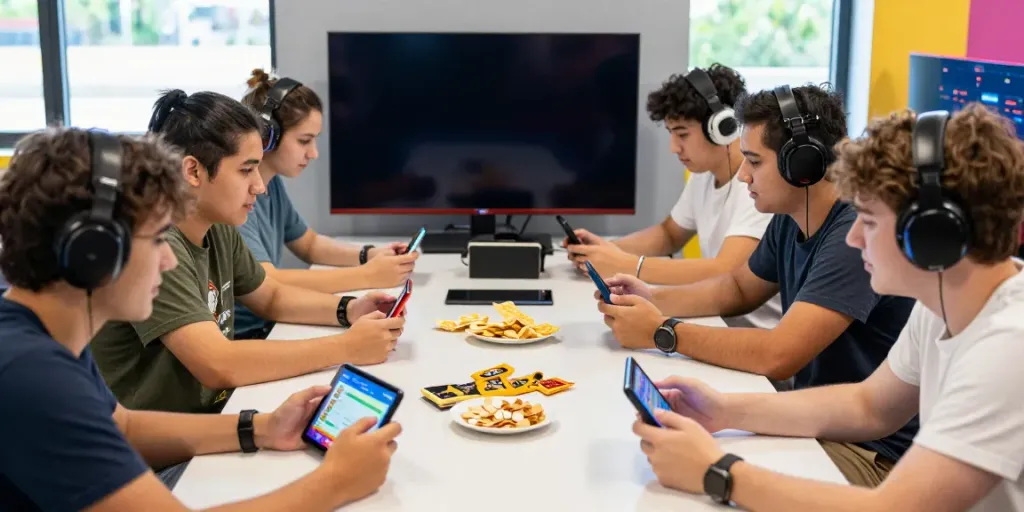
Understanding the Evolving Gaming Landscape
The gaming industry is undergoing a remarkable transformation, characterized by rapid advancements in technology, shifting consumer preferences, and the rise of mobile gaming platforms. As players become increasingly discerning about their gaming experiences, it's imperative for developers and marketers to stay ahead of trends and adapt their strategies accordingly. One noteworthy platform emerging in this landscape is http://11bet-app.net/, which promises to enhance user engagement through innovative gaming experiences.
What Makes http://11bet-app.net/ Stand Out?
In a saturated gaming market, differentiation is key. http://11bet-app.net/ stands out by offering unique gaming mechanics, user-centric design, and a robust community feature that encourages player interaction. This platform integrates social elements seamlessly, allowing players to compete with friends and connect with a broader audience. Furthermore, its diverse game selection caters to a variety of interests, from casual mini-games to more complex strategy-based options.
Current Trends in Mobile Gaming
- Hyper-Casual Games: These games are incredibly easy to play and require minimal commitment, appealing to a broad audience.
- Social Gaming: Players increasingly seek connectivity, leading platforms to incorporate social features that enable easy sharing and competition.
- Subscription Models: Freemium models are giving way to subscriptions, providing players with ad-free experiences and exclusive content.
Mobile gaming has become a staple of entertainment, with the rise of smartphones allowing users to engage with games anytime, anywhere. This convenience is driving demand for platforms that can deliver engaging experiences on the go.
Navigating User Experience on Gaming Platforms
Best Practices for Game App Interfaces
Designing an intuitive interface is crucial for user retention. Successful gaming apps prioritize simplicity and clarity. This includes easy navigation, quick load times, and clear visual cues. Developers should also focus on accessibility, ensuring that players of all ages and abilities can enjoy the experience.
Enhancing User Retention and Loyalty
To keep players coming back, gaming apps must leverage strategies such as personalized content, reward systems, and regular updates. Engaging storylines, in-app rewards, and community engagement policies can significantly improve player loyalty and retention rates.
Addressing Common User Pain Points
Feedback loops are essential; listening to user concerns can help developers identify issues that detract from the gaming experience, such as excessive ads or poor customer support. Addressing these pain points not only improves user satisfaction but also fosters a loyal player base.
Technology Innovations Impacting Gaming
The Rise of Augmented Reality Games
Augmented reality (AR) is revolutionizing how players interact with their games. By blending the virtual world with the real one, AR games offer immersive experiences that can be enjoyed in various environments. This technology enhances engagement and provides unique gameplay dynamics, appealing to a tech-savvy audience.
AI and Machine Learning in Game Development
Artificial intelligence plays a crucial role in enhancing game design and user experience. From creating adaptive difficulty levels to personalizing marketing efforts, AI can provide insights that help gaming companies refine their offerings based on player behavior and preferences. Machine learning algorithms can analyze vast amounts of data to predict trends and user interests.
Future of Cloud Gaming Services
Cloud gaming is set to change the gaming landscape drastically by allowing players to access high-quality games without the need for expensive hardware. With a robust internet connection, players can enjoy console-quality experiences on their mobile devices. As 5G technology proliferates, the potential for cloud gaming will expand, enabling even more seamless interactions and rich gaming environments.
Marketing Strategies for Gaming Apps
Effective Social Media Campaigns
Social media is an invaluable tool for gaming apps to reach their target audience. Campaigns that leverage trending topics, user-generated content, and interactive elements such as polls or giveaways can enhance visibility and engagement. Platforms like TikTok and Instagram are particularly effective in showcasing game trailers and behind-the-scenes content that captivate users.
Influencer Partnerships and Collaborations
Partnering with gaming influencers can amplify a brand's reach significantly. Influencers can introduce games to their followers through authentic gameplay and reviews, which can drive downloads and user engagement. Building relationships with influencers creates credibility and trust for the gaming app.
Metrics to Measure Success
Success in gaming apps can be measured through various metrics, including Daily Active Users (DAUs), retention rates, and Average Revenue Per User (ARPU). Tracking these metrics helps developers understand player behavior and refine their strategies for better performance and engagement.
Looking Towards 2026: Predictions and Opportunities
Emerging Trends in Competitive Gaming
Competitive gaming, or esports, continues to grow, attracting millions of viewers and participants alike. By 2026, we can expect to see further integration of esports in mainstream media, along with increased sponsorship and investment opportunities. Game developers will need to design experiences that cater to competitive players and enhance spectator engagement.
Impact of 5G on Mobile Gaming
The implementation of 5G technology will significantly improve mobile gaming experiences by providing faster download speeds and reduced latency. This advancement will enable developers to create more complex games with real-time multiplayer capabilities, enhancing the overall user experience.
Potential Challenges and How to Overcome Them
As the gaming landscape evolves, developers will face challenges such as increased competition, evolving player expectations, and regulatory changes. Staying adaptable, prioritizing user feedback, and leveraging innovative technologies will be essential strategies for overcoming these hurdles.
What Features Will Gamers Demand Next?
Future gamers will likely prioritize customization options, immersive experiences, and social connectivity. The demand for features that enhance player interaction and personalization will become critical, especially as community-oriented gaming continues to rise.
How Will Market Competition Influence Gaming Choices?
As competition intensifies in the gaming industry, developers will need to innovate rapidly. Diverse game offerings, user-friendly interfaces, and engaging content will be essential in retaining users and attracting new players.
Preparing for Regulatory Changes in Gaming Globally
The gaming industry is subject to evolving regulations across different regions. Companies must stay informed about local laws and adapt their practices accordingly to maintain compliance and avoid legal issues. Transparency in operations and marketing will be key to navigating this complex landscape.